What We Do

Services

A rundown of the concrete work we quote most, from flatwork to foundations.

Home › Services

Everything we take on

Every job below is one we do ourselves across Fresno.

Concrete Driveways

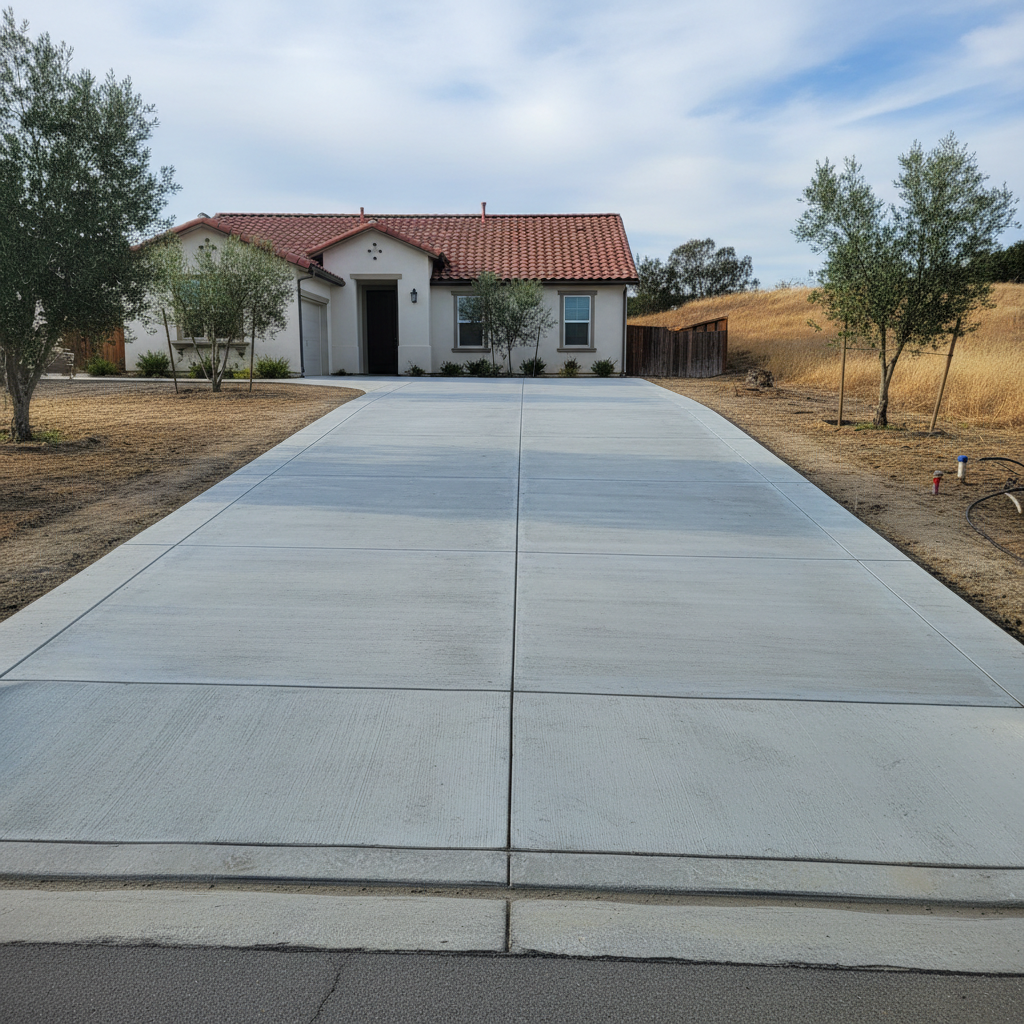
We grade and compact the base before we ever set a form, because a driveway poured on loose fill will crack within a couple of years no matter how good the finish looks. Most residential driveways get a 4 inch slab with rebar on chairs, poured at 3500 PSI or higher to handle vehicle weight. You can usually walk on it in 2 to 3 days and drive on it after about a week.

Concrete Patios

Patios get broom finish, stamped texture, or exposed aggregate, whatever matches the house and how you'll actually use the space. We slope every patio slab away from the foundation, a quarter inch per foot, so water runs off instead of sitting against your siding. Control joints get cut the same day to keep the cracking where it belongs.

Stamped Concrete

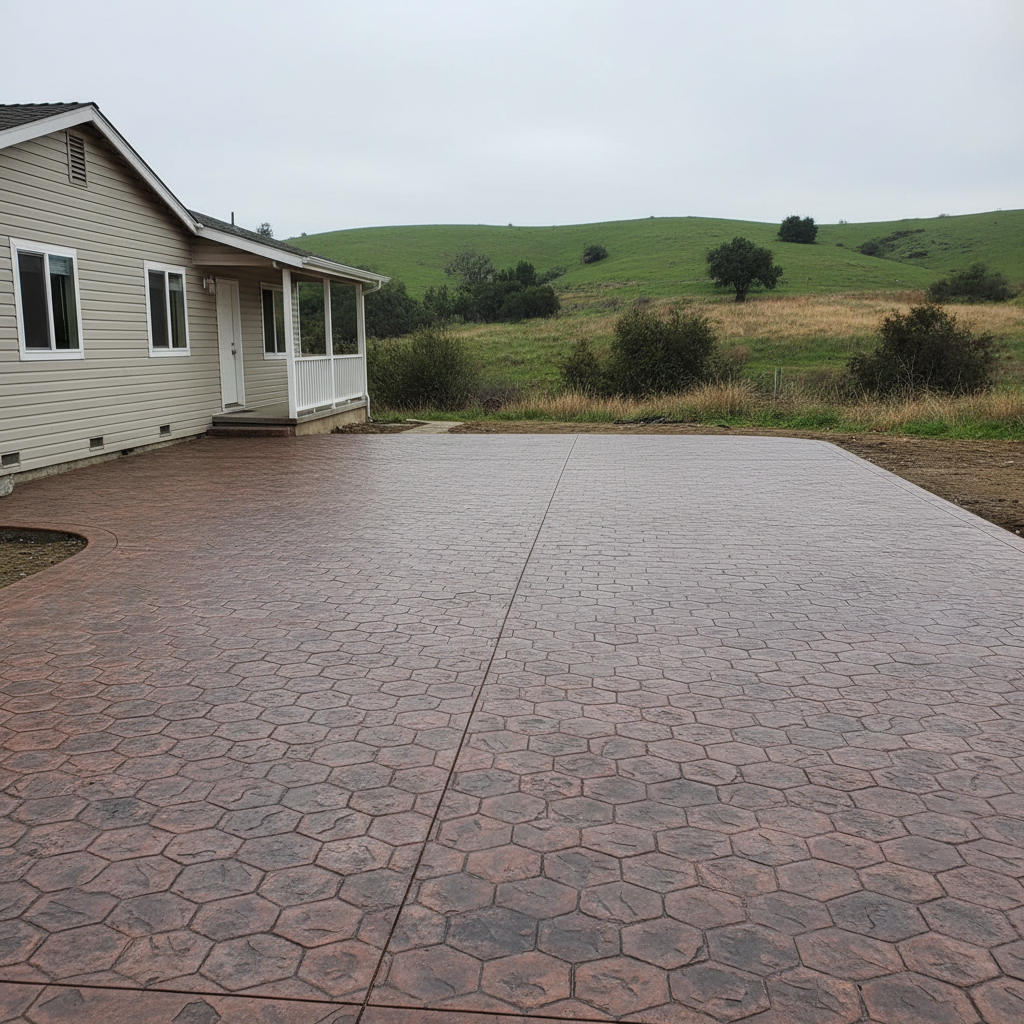
Stamped concrete gets you the look of flagstone, slate, or brick without individual joints for weeds to grow in. We color and texture the slab while it's still plastic, then seal it once it's cured. The sealer has to go back on every couple of years in our sun, or the color fades and the surface loses its grip underfoot.

Concrete Repair

Cracked driveways, sunken sections, and spalling surfaces don't fix themselves. For a sunken slab we can sometimes lift it with polyurethane foam instead of tearing it out, which is faster and a lot less mess than a full replacement. If the crack is structural, from a bad base or a root that's since died off, we cut out that section and repour it so it ties into the rest of the slab.

Concrete Slabs

Garage floors, shop slabs, and shed pads need to carry more weight than a patio, so we size the thickness and the rebar schedule to what's actually going on top of it. A slab for a car lift isn't the same spec as one for storage. We talk through the load before we quote the mix.

Concrete Sidewalks & Walkways

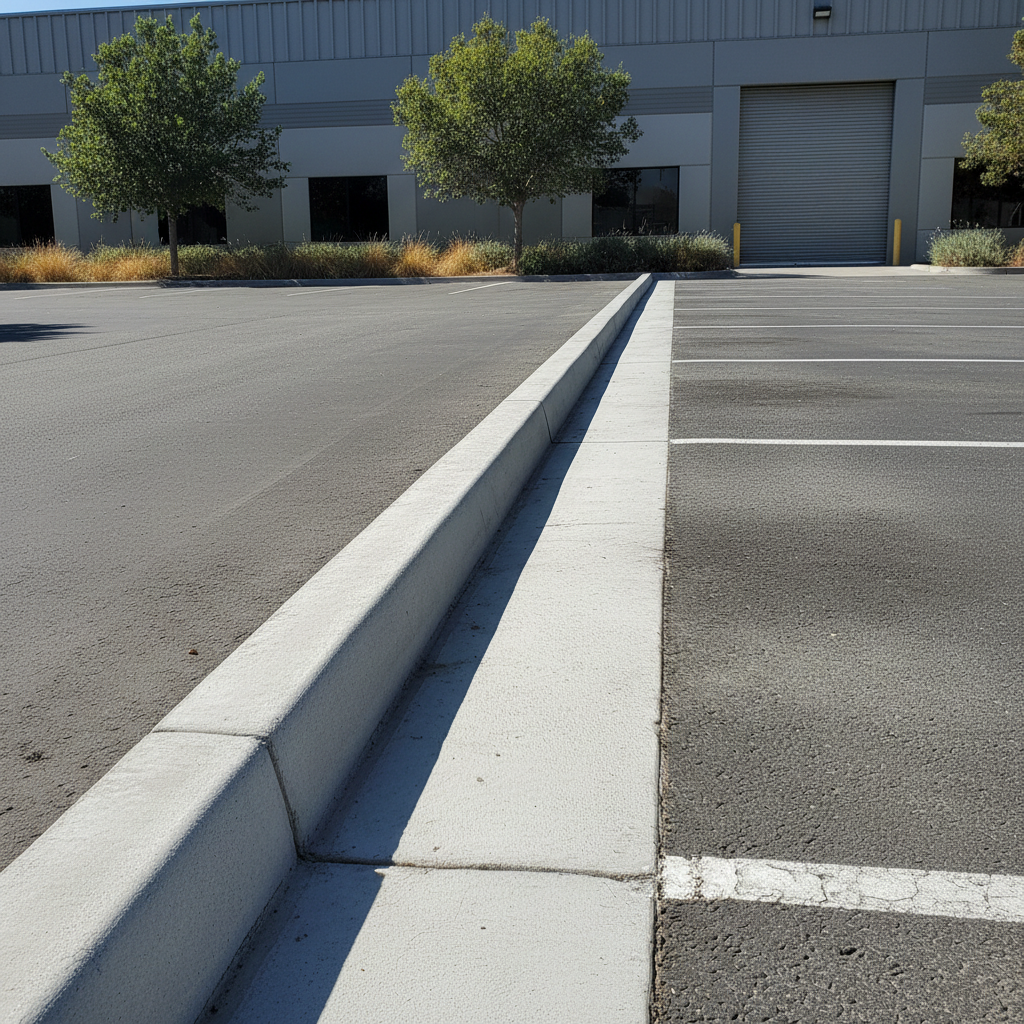
Walkways get poured to the slope the county wants to see at inspection, and we handle the permit on new sidewalk sections if the city requires one. Control joints go in every 4 to 6 feet so the concrete has somewhere to crack besides the middle of the path.

Concrete Steps & Porches

Steps and porches take a beating from foot traffic and from water running off the roofline, so we reinforce them heavier than a standard walkway. We also tie new steps into the existing slab or foundation with rebar dowels, not just butted up against it, which is usually why old steps separate from the house in the first place.

Exposed Aggregate Concrete

We wash back the top layer of cement paste while the slab is curing to expose the stone underneath, giving you a non-slip surface that holds up well around pools and walkways. The aggregate itself, river rock, granite, or a custom blend, gets picked before the pour.

Concrete Foundations

Foundation slabs and footings have to go in below the frost line and bear on compacted, undisturbed soil, not fill dirt. We work off the engineer's plan for rebar placement and depth, and we pour to the inspector's requirements, not around them.

Concrete Removal & Demolition

Old concrete has to come out before new concrete goes in, and we break it up, haul it off, and recompact the base ourselves rather than pouring a new slab on top of whatever's left underneath. That includes driveways, patios, and old foundations that didn't make it.

How It Works

Four steps, and no surprises in any of them.

01

We come and look

You tell us what you want doing, we look at what is actually there, and we ask the awkward questions early.

02

You get a price

In writing, itemised, free. If something might add cost later we flag it now rather than at the end.

03

We do the work

Same crew throughout. We cover your floors, keep the dust down and tidy up before we leave each day.

04

We walk it with you

You point out anything you are not happy with and we fix it before the invoice, not after.

Where We Work

All of this, across Fresno, CA

We quote and pour jobs throughout this part of the Central Valley.

Fresno, CA
Visalia, CA
Clovis, CA
Tulare, CA
Madera, CA
Hanford, CA
Reedley, CA
Selma, CA
Sanger, CA
Kerman, CA
Kingsburg, CA
Common Questions

Things worth asking

What comes up once a concrete job is actually underway.

Do I need a permit for a new concrete driveway or patio?
Permit requirements for concrete work vary by city and by project type, a standard patio often doesn't require one while a new driveway approach connecting to the street usually does. Foundation work and anything altering drainage typically requires a permit and inspection. Checking with the local building department before the pour avoids having to redo work that didn't pass inspection.
How long does a typical concrete project take?
A standard driveway or patio pour usually takes one to two days for forming, pouring, and finishing, followed by a curing period before the surface can handle weight. Foot traffic is generally fine after 2 to 3 days, while vehicles require about 7 days before driving on a new driveway. Full cure strength takes closer to 28 days, though the slab is functional well before that.
Can concrete work be done on a tight budget?
Concrete costs can be adjusted by choosing wire mesh instead of rebar for lighter-duty slabs, sticking with a plain broom finish instead of stamped or exposed aggregate, and pouring a standard 4 inch thickness instead of oversizing the slab. Cutting corners on base compaction to save money is not a place to economize, since that's what determines whether the slab lasts. A contractor should be upfront about which cost-saving choices affect long-term durability and which don't.
Is there any guarantee on concrete work?
Concrete contractors typically warranty their workmanship against structural cracking or settling caused by improper installation, separate from the normal hairline shrinkage cracks that occur in nearly all concrete as it cures. Material defects are usually covered by the concrete supplier rather than the installer. The specific terms should be spelled out in writing in the contract, not just promised verbally.
Who handles day to day communication during the project?
On most residential concrete jobs, homeowners deal directly with the crew lead or the contractor who gave the quote, rather than a rotating cast of different workers. Having one consistent point of contact makes it easier to answer questions about the pour schedule or finish choices as the job progresses.
What's the difference between rebar and wire mesh reinforcement?
Rebar is a stronger reinforcement option that holds a cracked slab together under vehicle weight and resists shifting from soil movement, while wire mesh is lighter-duty and more common on patios or sidewalks with less load. Rebar has to be supported on chairs to sit in the middle of the slab rather than resting on the dirt below it. Mesh that isn't properly lifted during the pour ends up doing almost nothing.
Can a driveway or patio still be used while work is happening?
A driveway or patio under construction is unusable from the day the old concrete is removed until the new pour has cured enough for traffic, typically about a week for vehicles and a few days for foot traffic. Parking and access have to be planned around that window, especially if the driveway is the only way in or out of the property. A contractor can usually sequence the work to leave partial access where the layout allows it.
How should a yard get prepared before a concrete pour?
Clearing the pour area of furniture, planters, vehicles, and sprinkler heads before the crew arrives speeds up the job and protects anything that could get damaged. Irrigation lines and buried utilities in the area should be marked or flagged ahead of time. Overhanging tree branches or roots in the footprint of the new slab are worth mentioning to the contractor before the quote, since roots sometimes change the excavation plan.
What if a problem turns up once the old concrete is torn out?
Removing an old driveway or patio sometimes uncovers a bad base, old tree roots, a broken irrigation line, or soft soil that wasn't visible before demolition. When that happens, the area typically requires extra excavation, compaction, or in some cases a geotextile fabric or additional base rock before the new pour can go in. This can add cost and a day or two to the schedule, and a straightforward contractor will explain the issue and the fix before moving forward rather than pouring over it.
How should new concrete be cared for afterward?
New concrete should stay free of vehicle traffic for about a week and foot traffic for a couple of days while it cures. Sealing a driveway or patio every 2 to 3 years helps resist staining, salt damage, and surface wear, especially on stamped or colored concrete. Avoiding de-icing salts and keeping drainage clear of the slab's edges prevents a lot of the cracking and spalling that shows up a few years down the line.

Not sure what you need?

Describe the problem and we will tell you what it probably is. No obligation.
Call (559) 576-8948